
Hot Shrines
A curated list of shrines drawing attention right now.

水鏡天満宮
Suikyo Tenmangu in Tenjin, central Fukuoka City, enshrines Sugawara no Michizane, revered as the deity of learning. The shrine gave the Tenjin district its name and preserves sacred images including Tsunashiki Tenjin and Toto Tenjin statues.
氷川神社
Details are being prepared.
若宮八幡大神社
Wakamiya Hachiman Daijinja stands in Shimoozo, Enzan, Koshu City. Formerly ranked as a village shrine, it enshrines Emperors Ojin and Nintoku and is maintained by the local parish community. Its annual festival is held on October 15.
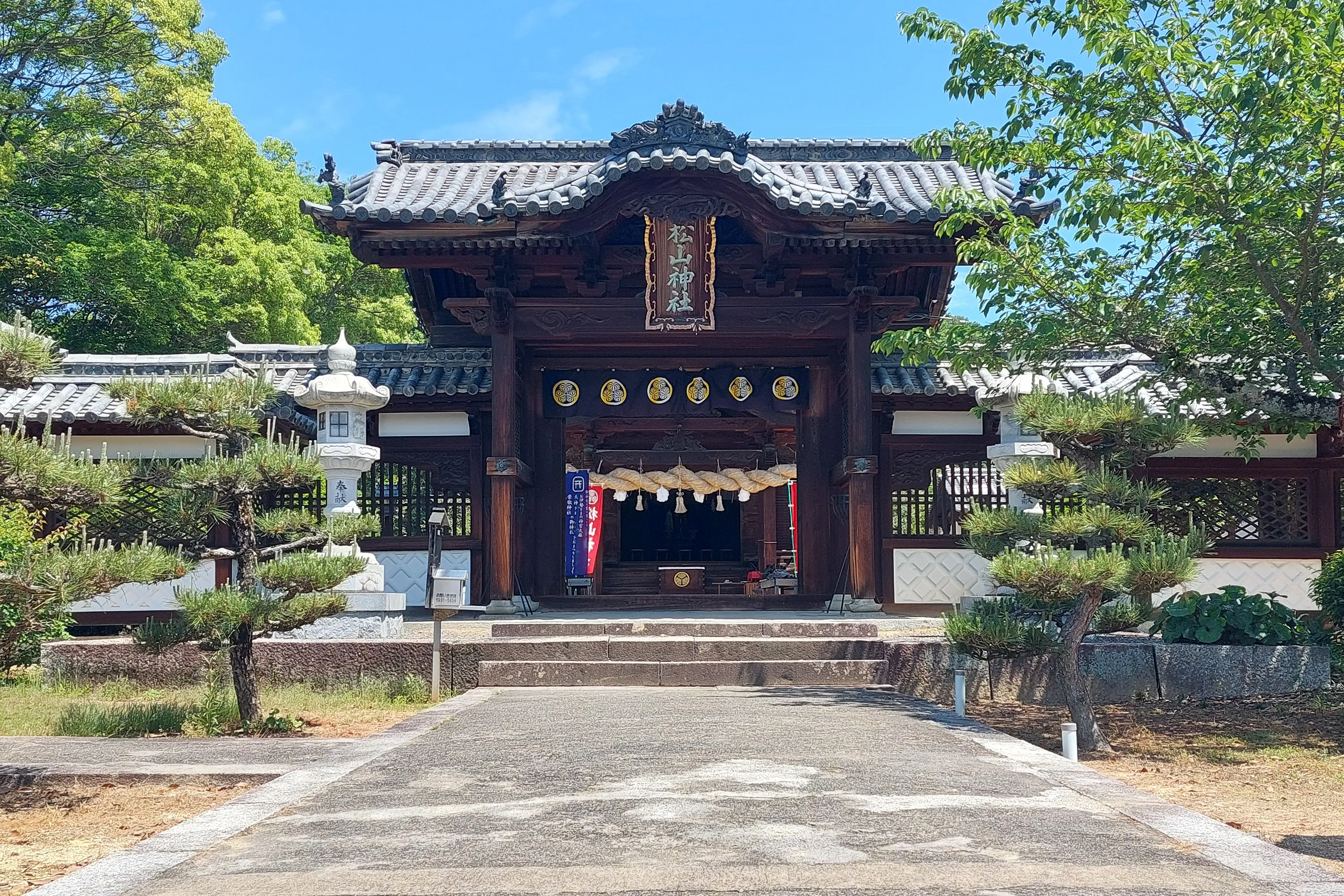
Matsuyama Toshogu Shrine
Matsuyama Toshogu Shrine is located in Higashimachi, Matsuyama City, Ehime Prefecture, and was founded in 1765. It has the status of a former village shrine. The shrine's buildings from the Edo period are designated as important cultural properties and are highly valued as examples of traditional shrine architecture.
八幡神社
Hachiman Shrine stands in Shindencho, Kofu City, and enshrines Honda Wake. The Yamanashi Association of Shinto Shrines lists it as a former village shrine, with its annual festival on April 15.